

 Nederlands
 Deutsch
 Svenska
 Polski
 Suomi
Suomi Español
 Français
 Português
 العربية
 Bahasa Melayu
 Italiano
 ไทย
ไทย Türkçe
 日本語
日本語 Български
 Română
 Ελληνικά
 Dansk
Dansk 简体中文
简体中文 繁體中文
繁體中文 Afrikaans
 Shqip
Shqip አማርኛ
አማርኛ Հայերեն
 Azərbaycan dili
 Euskara
 Беларуская мова
 বাংলা
বাংলা Bosanski
 Català
 Cebuano
 Chichewa
 Corsu
Corsu Hrvatski
 Čeština
 Esperanto
 Eesti
Eesti Filipino
 Frysk
Frysk Galego
 ქართული
 ગુજરાતી
 Kreyol ayisyen
 Harshen Hausa
 Ōlelo Hawaiʻi
 עִבְרִית
 हिन्दी
 Hmong
Hmong Magyar
 Íslenska
 Igbo
Igbo Bahasa Indonesia
 Gaelige
 Basa Jawa
 ಕನ್ನಡ
ಕನ್ನಡ Қазақ тілі
 ភាសាខ្មែរ
 한국어
한국어 كوردی
كوردی Кыргызча
 ພາສາລາວ
 Latin
Latin Latviešu valoda
 Lietuvių kalba
 Lëtzebuergesch
 Македонски јазик
 Malagasy
 മലയാളം
 Maltese
 Te Reo Māori
 मराठी
मराठी Монгол
 ဗမာစာ
ဗမာစာ नेपाली
 Norsk bokmål
 پښتو
پښتو فارسی
فارسی ਪੰਜਾਬੀ
 Русский
 Samoan
 Gàidhlig
 Српски језик
 Sesotho
 Shona
Shona سنڌي
سنڌي සිංහල
සිංහල Slovenčina
 Slovenščina
 Afsoomaali
 Basa Sunda
 Kiswahili
 Тоҷикӣ
 தமிழ்
தமிழ் తెలుగు
 Українська
 اردو
اردو O‘zbekcha
 Tiếng Việt
 Cymraeg
 isiXhosa
 יידיש
יידיש Yorùbá
 Zulu
Zulu
Gambling exists in many forms, and while land-based gambling has been regulated in various countries around the world, online gambling regulations were implemented only two decades ago or so.
The truth is, regulators were afraid whether they could manage to take control over the online gambling, since when something is online, it is available all over the world, and all kinds of people can access it, minors included. Moreover, websites can get easily hacked and people’s money seemed utterly unprotected. But with time, countries, where land-based gambling was already well-established, started creating conditions, rules, and requirements that would make the monitoring process easier, and the online gambling experience better and fairer for operators and players.
History of Kahnawake Gaming Commission
As mentioned, Kahnawake, the Indian Territory in Canada, was the first one to start licensing online gambling operators. As such, it used to be quite liberal with the regulations. The online gambling market in Kahnawake was launched on the 8th of July, 1999, when the Kahnawake Gaming Commission enacted its Regulations Concerning Interactive Gaming.
In recent years, though, the Kahnawake Gaming Commission, seeing how other reputed regulators worked, had become more serious about its duties. However, its liberal nature at the beginning cost it many licensees who choose to be licensed by other watchdogs, mainly due to stock-trading reasons or financial stuff. Due to it strengthening the rules for gambling and licensing, and thanks to the lesser fees and tax requirements when compared to other jurisdictions, many casinos still choose Kahnawake Gaming Commission over any other.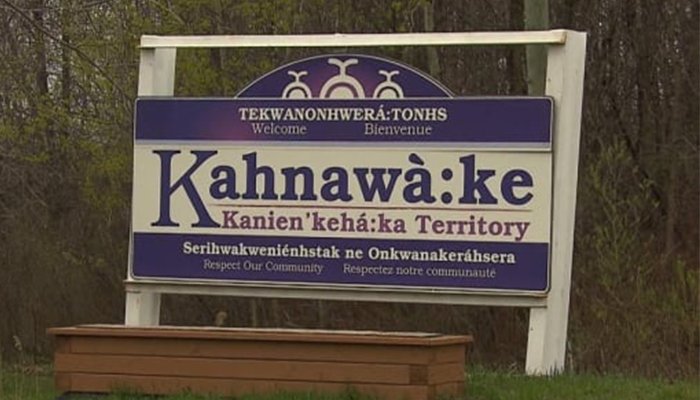 Kahnawake in Canada