

 Nederlands
 Deutsch
 Svenska
 Polski
 Suomi
Suomi Español
 Français
 Português
 العربية
 Bahasa Melayu
 Italiano
 ไทย
ไทย Türkçe
 日本語
日本語 Български
 Română
 Ελληνικά
 Dansk
Dansk 简体中文
简体中文 繁體中文
繁體中文 Afrikaans
 Shqip
Shqip አማርኛ
አማርኛ Հայերեն
 Azərbaycan dili
 Euskara
 Беларуская мова
 বাংলা
বাংলা Bosanski
 Català
 Cebuano
 Chichewa
 Corsu
Corsu Hrvatski
 Čeština
 Esperanto
 Eesti
Eesti Filipino
 Frysk
Frysk Galego
 ქართული
 ગુજરાતી
 Kreyol ayisyen
 Harshen Hausa
 Ōlelo Hawaiʻi
 עִבְרִית
 हिन्दी
 Hmong
Hmong Magyar
 Íslenska
 Igbo
Igbo Bahasa Indonesia
 Gaelige
 Basa Jawa
 ಕನ್ನಡ
ಕನ್ನಡ Қазақ тілі
 ភាសាខ្មែរ
 한국어
한국어 كوردی
كوردی Кыргызча
 ພາສາລາວ
 Latin
Latin Latviešu valoda
 Lietuvių kalba
 Lëtzebuergesch
 Македонски јазик
 Malagasy
 മലയാളം
 Maltese
 Te Reo Māori
 मराठी
मराठी Монгол
 ဗမာစာ
ဗမာစာ नेपाली
 Norsk bokmål
 پښتو
پښتو فارسی
فارسی ਪੰਜਾਬੀ
 Русский
 Samoan
 Gàidhlig
 Српски језик
 Sesotho
 Shona
Shona سنڌي
سنڌي සිංහල
සිංහල Slovenčina
 Slovenščina
 Afsoomaali
 Basa Sunda
 Kiswahili
 Тоҷикӣ
 தமிழ்
தமிழ் తెలుగు
 Українська
 اردو
اردو O‘zbekcha
 Tiếng Việt
 Cymraeg
 isiXhosa
 יידיש
יידיש Yorùbá
 Zulu
Zulu
Roulette is one of the most popular casino games, which allows players to place bets on different numbers on a spinning wheel. The zero and double zero play a crucial part in this game, particularly when it comes to the house edge.
Even if you don’t regularly play online roulette, you must have noticed the green number on the wheel. The European variant features a single zero, while its American counterpart has an additional pocked with the double zero.
In the European version of the game, the zero is positioned between black 26 and red 36, while the single zero in American roulette sits between black two and black 26. The additional zero can be found between red 1 and red 27.
The odds of landing a zero in a round are small, meaning the payouts it brings are much higher compared to other combinations.
Today, we’ll focus on betting on the zero in roulette. What happens when you do it? What prizes can you claim? Should you bet on it at all?
How Much Can You Win When Betting on Zero?
As we already mentioned, the odds of a bet are directly linked to the chances of an event occurring. That also applies to the zero. As it’s a single number, it represents one of the rarest bets in roulette. Place a bet on the zero, and if the wheel stops on it, you’ll receive a handsome payout of 35:1.
Playing Zero
Since most bets made on zero are wasted, many players consider this number to be unlucky. The number itself does a fantastic job for casinos, as it helps them increase the house edge. Whenever the ball stops on zero, all other bets, including even money wagers, column bets, red or black, are not paid out.
Only those betting on zero will win at the end of a round. All others lose.
However, certain online roulette variants will return half of your bet back if the ball lands on zero. This outcome lowers the casino’s house edge and, at the same time, allows players to spin the wheel with less risk.
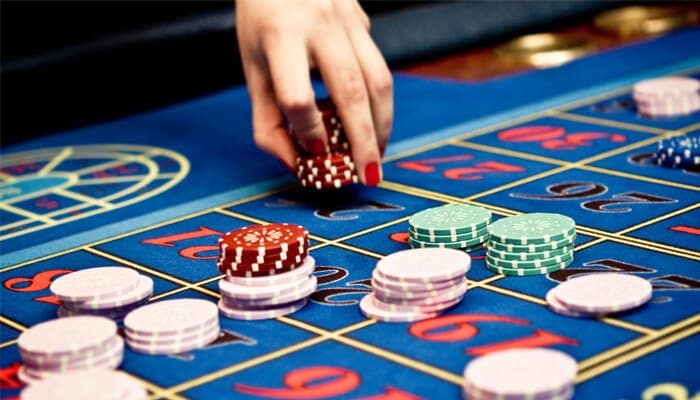 Not sure if betting on zero is worth the risk? We bring you the odds, but the choice is all yours
The number zero plays a crucial role when it comes to the house edge. Placing a bet on an even/odd number or red/black gives players a 50% odds of winning on a randomised roulette table. With a zero on the wheel, these odds drop below 50%.
European vs American Roulette
Despite its additional zero, the American roulette wheel has the same odds of 35:1 for both zeros. That’s quite similar to betting on the single zero featured by the European variant.
In practice, it means that American roulette has worse winning chances compared to its European counterpart.
For example, the odds against you guessing a zero on European roulette are 36:1. On the other hand, the percentage against your triumph on American roulette is 37:1. When translated into the predicted price on a $1 bet, that’s -$0.027 for European roulette, and -$0.053 for the American version. It’s easy to see it’s considerably worse.
When placing a “row” bet in American roulette, the percentage for you winning is 18:1, meaning the expected value on such a wager is -$0.053.
Whether you wager on less probable bets (such as zero or double zero) or pick ones with higher odds (red or black), the house edge on the two roulette versions differs. American roulette comes with a house edge of 5.26%, while its European counterpart has a lower value of 2.7%.