

 Nederlands
 Deutsch
 Svenska
 Polski
 Suomi
Suomi Español
 Français
 Português
 العربية
 Bahasa Melayu
 Italiano
 ไทย
ไทย Türkçe
 日本語
日本語 Български
 Română
 Ελληνικά
 Dansk
Dansk 简体中文
简体中文 繁體中文
繁體中文 Afrikaans
 Shqip
Shqip አማርኛ
አማርኛ Հայերեն
 Azərbaycan dili
 Euskara
 Беларуская мова
 বাংলা
বাংলা Bosanski
 Català
 Cebuano
 Chichewa
 Corsu
Corsu Hrvatski
 Čeština
 Esperanto
 Eesti
Eesti Filipino
 Frysk
Frysk Galego
 ქართული
 ગુજરાતી
 Kreyol ayisyen
 Harshen Hausa
 Ōlelo Hawaiʻi
 עִבְרִית
 हिन्दी
 Hmong
Hmong Magyar
 Íslenska
 Igbo
Igbo Bahasa Indonesia
 Gaelige
 Basa Jawa
 ಕನ್ನಡ
ಕನ್ನಡ Қазақ тілі
 ភាសាខ្មែរ
 한국어
한국어 كوردی
كوردی Кыргызча
 ພາສາລາວ
 Latin
Latin Latviešu valoda
 Lietuvių kalba
 Lëtzebuergesch
 Македонски јазик
 Malagasy
 മലയാളം
 Maltese
 Te Reo Māori
 मराठी
मराठी Монгол
 ဗမာစာ
ဗမာစာ नेपाली
 Norsk bokmål
 پښتو
پښتو فارسی
فارسی ਪੰਜਾਬੀ
 Русский
 Samoan
 Gàidhlig
 Српски језик
 Sesotho
 Shona
Shona سنڌي
سنڌي සිංහල
සිංහල Slovenčina
 Slovenščina
 Afsoomaali
 Basa Sunda
 Kiswahili
 Тоҷикӣ
 தமிழ்
தமிழ் తెలుగు
 Українська
 اردو
اردو O‘zbekcha
 Tiếng Việt
 Cymraeg
 isiXhosa
 יידיש
יידיש Yorùbá
 Zulu
Zulu
Online casinos are designed to consistently make money for operators in the long run. But that doesn’t mean that players don’t have the chance of winning while enjoying their games online.
Regulations introduced by the authorities make sure that online casino games are fair and square. What technologies are used to ensure this fairness, and how much do chances of winning differ from one game to another?
Random Number Generator (RNG)
The essential part of every online casino game is a random number generator (RNG). This is an algorithm that makes sure the outcome of a game is always random. It means the operator and the player have no control over the spin of a reel or card shuffle.
Thanks to RNG, the outcome of the game remains random and allows it to stay fair.
When playing a real game, the result is generated by rolling the dice or by the laws of physics. RNG does the same in the world of digital gaming. Players may still believe that luck has something to do with winning money, when in fact, their success is determined by a virtually unhackable algorithm.
One of the important ways RNG makes a game fair is that it always allows a win to happen, no matter how unlikely that may seem.
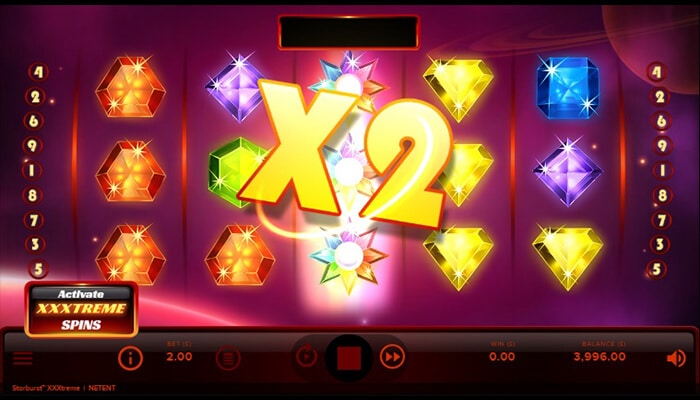 Slots are the most popular RNG-operated casino games.
We’ll use an online slot game as an example. RNG spins the reels and makes sure they randomly stop on a set of symbols. Theoretically, you can create a winning combination on the first spin you make, but it may take hours, days, or even weeks before you finally win. RNG secures a certain level of fairness, making it impossible to rig an online slot.