

 Nederlands
 Deutsch
 Svenska
 Polski
 Suomi
Suomi Español
 Français
 Português
 العربية
 Bahasa Melayu
 Italiano
 ไทย
ไทย Türkçe
 日本語
日本語 Български
 Română
 Ελληνικά
 Dansk
Dansk 简体中文
简体中文 繁體中文
繁體中文 Afrikaans
 Shqip
Shqip አማርኛ
አማርኛ Հայերեն
 Azərbaycan dili
 Euskara
 Беларуская мова
 বাংলা
বাংলা Bosanski
 Català
 Cebuano
 Chichewa
 Corsu
Corsu Hrvatski
 Čeština
 Esperanto
 Eesti
Eesti Filipino
 Frysk
Frysk Galego
 ქართული
 ગુજરાતી
 Kreyol ayisyen
 Harshen Hausa
 Ōlelo Hawaiʻi
 עִבְרִית
 हिन्दी
 Hmong
Hmong Magyar
 Íslenska
 Igbo
Igbo Bahasa Indonesia
 Gaelige
 Basa Jawa
 ಕನ್ನಡ
ಕನ್ನಡ Қазақ тілі
 ភាសាខ្មែរ
 한국어
한국어 كوردی
كوردی Кыргызча
 ພາສາລາວ
 Latin
Latin Latviešu valoda
 Lietuvių kalba
 Lëtzebuergesch
 Македонски јазик
 Malagasy
 മലയാളം
 Maltese
 Te Reo Māori
 मराठी
मराठी Монгол
 ဗမာစာ
ဗမာစာ नेपाली
 Norsk bokmål
 پښتو
پښتو فارسی
فارسی ਪੰਜਾਬੀ
 Русский
 Samoan
 Gàidhlig
 Српски језик
 Sesotho
 Shona
Shona سنڌي
سنڌي සිංහල
සිංහල Slovenčina
 Slovenščina
 Afsoomaali
 Basa Sunda
 Kiswahili
 Тоҷикӣ
 தமிழ்
தமிழ் తెలుగు
 Українська
 اردو
اردو O‘zbekcha
 Tiếng Việt
 Cymraeg
 isiXhosa
 יידיש
יידיש Yorùbá
 Zulu
Zulu
Meme coins have carved a unique niche in the cryptocurrency market, combining humour, internet culture, and growth driven by the community itself. These digital assets, whose popularity is often impacted by viral trends and social media personalities, have gained a cult following over the years.
With more than 2,000 meme coins currently available, they represent a growing segment of the crypto landscape. But what exactly are meme coins, and why do they appeal to gamers? Let’s start by exploring their origins, functionality, and risks to better understand how they fit the gaming world.
What Are Meme Coins and Why Should Gamers Care about Them?
Meme coins are cryptocurrencies inspired by internet jokes, memes, or other unconventional sources. Unlike mainstream coins like Bitcoin, meme coins are more about entertainment than practical use. Their value is typically driven by community enthusiasm and online virality rather.
A perfect example of the randomness behind meme coins is Moodeng, a coin inspired by a baby pygmy hippopotamus from Thailand. With millions of followers on social networks, Moodeng became a popular meme and reached a market cap of $300 million within months of its launch. This unpredictability is the main feature of meme coins.
For gamers, the appeal of meme coins lies in their nature, which illustrates the culture of online gaming. However, their somewhat playful approach doesn’t mean they’re without risks, as most meme coins don’t have long-term utility. They’re primarily designed for those willing to gamble on their rapid rise.
Blockchain Technology in Meme Coins
Like other cryptocurrencies, meme coins are powered by blockchain technology. It ensures that transactions are transparent and secure, and anyone can buy or sell meme coins on a corresponding platform. However, their value is heavily impacted by social media hype and the enthusiasm of online communities.
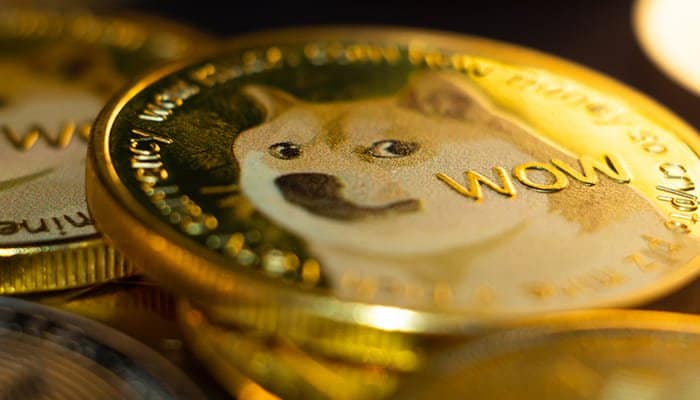 Bright and playful, Dogecoin takes center stage in the online casino world, promising fast and fun transactions.
The first meme coin was Dogecoin, launched in 2013 as a parody of Bitcoin. Despite its origins, Dogecoin became an important player in the market, mainly thanks to endorsements from figures like Elon Musk. Shiba Inu, another iconic meme coin, followed in 2020, quickly gathering a strong fan base.
Blockchain technology makes it easy for anyone to create and trade meme coins. However, their success often depends on the dedication of their communities and the virality of their marketing campaigns. Social networks play a crucial role in driving meme coin trends, resulting in significant financial volatility.
For gamers, who are often among the first to adopt new technologies, the decentralised and community-focused nature of meme coins goes well with the gaming world. Many gamers are already familiar with digital currencies, making the transition to meme coins a simple progression.
Gambling Tokens and Their Appeal
Meme coins share several qualities with gambling, which is part of their particular appeal to high-risk players. Both rely on chance, timing, and community enthusiasm. Gamers are often exposed to meme coin culture through influencers or gaming-related projects.
For many, the low barrier to entry is particularly enticing. Unlike traditional financial investments, meme coins are accessible to anyone with a smartphone and a crypto wallet. This accessibility, combined with their often humorous branding, makes them attractive to younger audiences, gamers included.
However, it’s crucial to approach meme coins with caution. Their volatile nature means their value can skyrocket or plummet within a short period of time. While some investors have turned small investments into big profits, many others have suffered quick losses. For gamers, this element can feel similar to rolling the dice in a casino or opening loot boxes in a game.
To make informed decisions, gamers should look for meme coins backed by strong communities rather than those driven solely by influencer hype. Make sure to check the project’s website, its social media presence, and community engagement, as these can help identify more stable investments.
Risks Associated with Meme Coins
Although meme coins offer exciting opportunities, they come with certain risks that should be taken into consideration. Here are some of the most common ones:
Market Manipulation
The meme coin market can be manipulated, as influential individuals with large online followings can artificially boost the value of a coin through endorsements or promotions. The reason for this is solely to sell off their coins once the price increases. This tactic is known as a “rug pull” and can leave other investors with worthless assets.
Pump-and-Dump Schemes
Pump-and-dump schemes are another common issue. In these scenarios, a group of investors hypes up a coin, encouraging others to buy in, only to sell their shares once the price goes up. Once the coin’s value drops, this can result in significant losses.
Phishing and Fake Airdrops
Gamers and other meme coin enthusiasts should also watch out for phishing scams and fake airdrops. Scammers often impersonate reputable projects or influencers, tricking users into sharing their wallet information or clicking malicious links. Be sure to always verify the legitimacy of any project or promotion before taking part in it.
Meme coins are undoubtedly fascinating. Their appeal lies in the accessibility and overall online culture. However, it’s crucial to approach these investments with a clear understanding of the risks involved.