

 Nederlands
 Deutsch
 Svenska
 Polski
 Suomi
Suomi Español
 Français
 Português
 العربية
 Bahasa Melayu
 Italiano
 ไทย
ไทย Türkçe
 日本語
日本語 Български
 Română
 Ελληνικά
 Dansk
Dansk 简体中文
简体中文 繁體中文
繁體中文 Afrikaans
 Shqip
Shqip አማርኛ
አማርኛ Հայերեն
 Azərbaycan dili
 Euskara
 Беларуская мова
 বাংলা
বাংলা Bosanski
 Català
 Cebuano
 Chichewa
 Corsu
Corsu Hrvatski
 Čeština
 Esperanto
 Eesti
Eesti Filipino
 Frysk
Frysk Galego
 ქართული
 ગુજરાતી
 Kreyol ayisyen
 Harshen Hausa
 Ōlelo Hawaiʻi
 עִבְרִית
 हिन्दी
 Hmong
Hmong Magyar
 Íslenska
 Igbo
Igbo Bahasa Indonesia
 Gaelige
 Basa Jawa
 ಕನ್ನಡ
ಕನ್ನಡ Қазақ тілі
 ភាសាខ្មែរ
 한국어
한국어 كوردی
كوردی Кыргызча
 ພາສາລາວ
 Latin
Latin Latviešu valoda
 Lietuvių kalba
 Lëtzebuergesch
 Македонски јазик
 Malagasy
 മലയാളം
 Maltese
 Te Reo Māori
 मराठी
मराठी Монгол
 ဗမာစာ
ဗမာစာ नेपाली
 Norsk bokmål
 پښتو
پښتو فارسی
فارسی ਪੰਜਾਬੀ
 Русский
 Samoan
 Gàidhlig
 Српски језик
 Sesotho
 Shona
Shona سنڌي
سنڌي සිංහල
සිංහල Slovenčina
 Slovenščina
 Afsoomaali
 Basa Sunda
 Kiswahili
 Тоҷикӣ
 தமிழ்
தமிழ் తెలుగు
 Українська
 اردو
اردو O‘zbekcha
 Tiếng Việt
 Cymraeg
 isiXhosa
 יידיש
יידיש Yorùbá
 Zulu
ZuluNot one of these systems promises winning as there’s no way to predict what’ll happen next in a game, but some of them actually work quite well in the short run.
What’re Positive Progression Systems?
Have you heard about positive and negative progression systems? These systems are pretty simple to use and can be applied to numerous casino games, including blackjack, baccarat, and craps. Most players use them on craps and blackjack, though, as they work best on these games.
A positive progression system requires increasing your bets after winning and reducing them after losing. Although the system is pretty easy to understand, it is a bit complicated considering the fact that there’s no way of telling what will happen next in a casino game unless you’re a psychic (OK, not even then).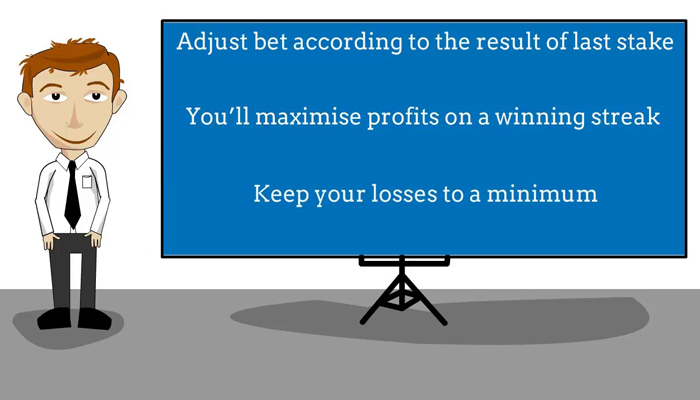 Positive progression systems in general
This system is quite favorable during winning streaks and the fact that it prevents you from entering into bad losing streaks makes things all the much better. Another great thing about positive progressive systems is that they don’t require large bankrolls, so even beginners can use them. However, you shouldn’t rush into raising your bets right from the start – instead, accumulate a small sum before splashing the cash in order to win.
Why Use Positive Progression Systems?
Because they’re fun! All joking aside, positive progressions systems are profitable in the short run, especially if you have Lady Luck at your side and you’re often on a winning streak. However, you should also keep your bets and the pre-determined set of wins (unless in the case of the 1-3-2-6 system) small in order not to lose a lot of money.
Follow these rules, and these systems can be quite profitable while also being a lot of fun.